The Benefits of Using Aluminum Shop for High-Quality Steel Casting Solutions
Aluminum foundries supply unique advantages for high-grade metal casting remedies. Their lightweight buildings add to structural honesty while enhancing fuel performance across various applications. Furthermore, light weight aluminum's exceptional rust resistance guarantees resilience, reducing long-lasting upkeep prices. This versatility permits intricate styles in numerous markets. Aluminum Foundry. The benefits expand past these features, hinting at a broader influence on manufacturing processes and sustainability. What various other elements make light weight aluminum an increasingly prominent selection in today's market?
Light-weight Characteristics of Aluminum Alloys
Aluminum alloys are renowned for their lightweight residential properties, making them a favored selection in various markets, including aerospace and automobile. The density of light weight aluminum is roughly one-third that of steel, permitting significant weight decreases without endangering structural stability. This quality allows makers to generate elements that enhance gas performance and general efficiency in cars and airplane.
Additionally, using aluminum alloys adds to decrease transport expenses as a result of minimized weight, which is specifically useful in shipping and logistics. Designers and designers utilize these materials to create intricate shapes and designs that would be not practical with much heavier steels. The capability to incorporate light-weight features with toughness and durability makes aluminum alloys an ideal alternative for applications calling for rigorous efficiency standards. In general, the light-weight nature of aluminum alloys positions them as a critical material ahead of time innovation and improving sustainability throughout different markets.
Phenomenal Rust Resistance
When revealed to extreme settings, products commonly surrender to destruction; however, aluminum alloys exhibit exceptional rust resistance that establishes them apart. This exceptional building originates from a natural oxide layer that creates on the surface of aluminum, giving a safety barrier against wetness, salt, and various other corrosive representatives. Unlike several steels, aluminum does not rust, that makes it an ideal choice for applications in aquatic, automotive, and building and construction sectors.
In addition, light weight aluminum alloys can be treated with numerous finishings and surfaces to boost their rust resistance even more. These therapies assure durability and durability, lowering upkeep prices gradually. The capacity to endure corrosive conditions without substantial damage permits producers to rely upon aluminum parts for prolonged periods, inevitably causing higher functional efficiency. The outstanding deterioration resistance of light weight aluminum alloys places them as a superior option for high-grade steel casting services in varied environments.
Superior Strength-to-Weight Ratio
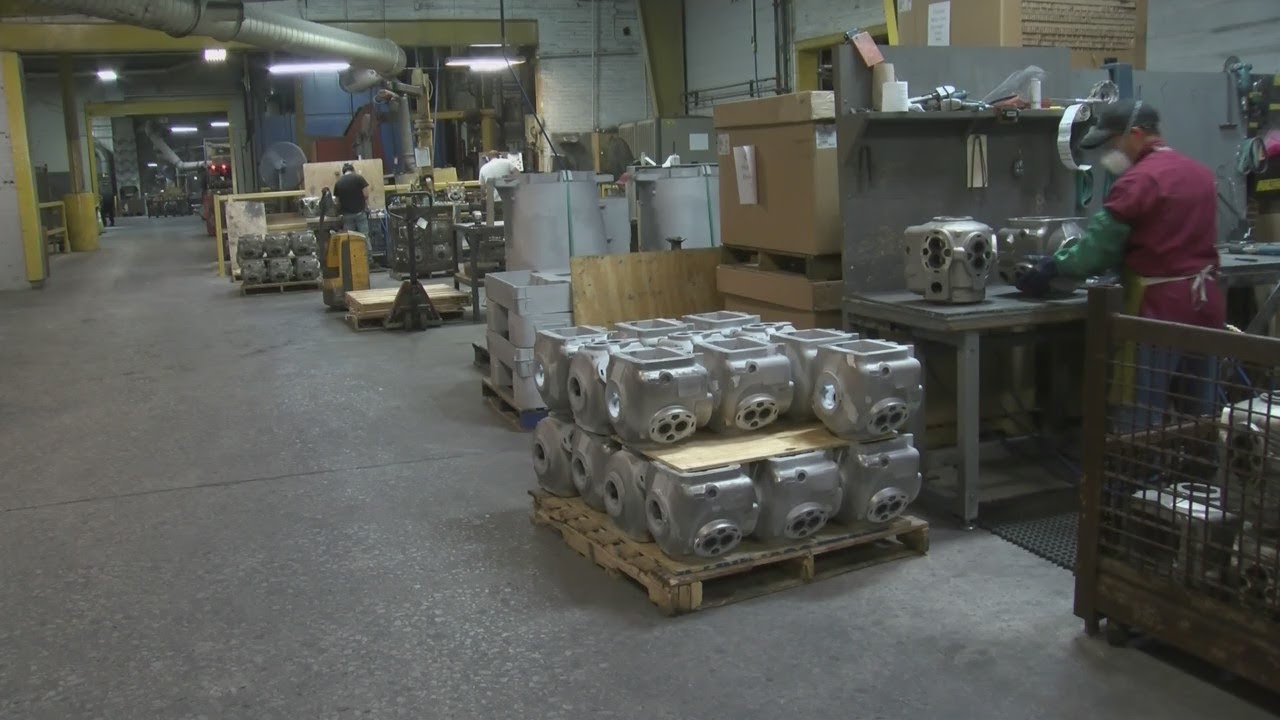
In addition, the strength-to-weight ratio of aluminum alloys is especially helpful in applications where weight savings is important. In aerospace engineering, lighter elements add to enhanced fuel efficiency and efficiency. The combination of strength and decreased mass likewise promotes less complicated handling and assembly throughout making processes. As a result, light weight aluminum foundries play a necessary duty in producing high-grade castings that take advantage of these homes, making sure that markets can meet the needs of modern-day engineering challenges successfully.
Convenience in Applications
Aluminum foundries show impressive versatility throughout numerous sectors, accommodating a wide variety of applications. Their capability to personalize solutions warranties that certain needs are fulfilled, boosting performance and efficiency. This adaptability makes aluminum casting a favored option in sectors such as auto, aerospace, and customer items.
Varied Market Applications
Versatility specifies the duty of light weight aluminum foundries in various markets, showcasing their capability to adapt to a wide range of applications. These foundries serve fields such as automobile, aerospace, and consumer goods, showing their extensive abilities. In the vehicle market, light weight aluminum castings add to light-weight styles, boosting gas effectiveness and efficiency. Aerospace applications take advantage of the strength-to-weight ratio of aluminum, necessary for aircraft parts. Additionally, consumer items, consisting of electronics and appliances, leverage aluminum's longevity and aesthetic appeal. The foundry's capacity to generate intricate shapes and complex layouts deals with the distinct needs of each industry, making sure premium remedies. This flexibility not just boosts production effectiveness however likewise promotes innovation across varied market sectors, strengthening light weight aluminum's role as a preferred material.
Personalization for Particular Needs
Customizing aluminum castings to meet certain client requirements exemplifies the versatility of foundries in attending to one-of-a-kind sector challenges. Factories can develop customized styles that satisfy numerous specifications, guaranteeing optimal performance for varied applications. This versatility enables the production of components with distinctive forms, dimensions, and weights, boosting their functionality in certain atmospheres. Additionally, progressed casting techniques enable the unification of specialized alloys, which can boost properties such as strength, rust resistance, and thermal conductivity. By teaming up very closely with clients, aluminum foundries can identify specific needs and provide customized services that straighten with task objectives. This commitment to personalization not just cultivates technology however additionally positions light weight aluminum spreadings as a recommended choice across several fields.
Boosted Manufacturing Effectiveness
Enhanced manufacturing effectiveness in aluminum foundries is accomplished through structured manufacturing procedures that optimize operations. By applying these processes, foundries can significantly decrease lead times, permitting quicker turn-around on projects. Additionally, cost-efficient production methods better boost general efficiency, adding to boosted competitiveness out there.
Structured Manufacturing Processes
Streamlining production processes is crucial for attaining enhanced manufacturing effectiveness in aluminum foundries. By maximizing operations, aluminum foundries can minimize waste and minimize functional costs. Automated systems play a critical function, permitting accurate control over casting parameters and guaranteeing constant high quality. Additionally, the assimilation click for more info of innovative technologies, such as computer-aided layout (CAD) and simulation software, helps with better preparation and resource allowance. This not only speeds up the design-to-production cycle however additionally boosts the ability to adjust to transforming market needs. Moreover, worker training and development contribute to a more knowledgeable labor force, efficient in running innovative equipment. Inevitably, these streamlined procedures lead to better output, permitting light weight aluminum foundries to fulfill client expectations while preserving competitive rates.
Reduced Lead Times
Attaining minimized lead times is a straight advantage of implementing structured manufacturing processes in aluminum foundries. By maximizing process and reducing bottlenecks, these foundries enhance production effectiveness, enabling quicker turnaround on jobs. Automation modern technologies and exact scheduling even more add to this performance, allowing suppliers to respond rapidly to customer needs. The capacity to produce high-grade spreadings in much shorter timeframes not only satisfies client assumptions however also enhances affordable positioning on the market. Additionally, minimized lead times assist in far better stock administration, as businesses can adjust their supply chains with better agility. Basically, aluminum foundries that prioritize lowered preparations can supply premium solution while maintaining the top quality criteria vital for premium steel spreading solutions.
Affordable Production Techniques
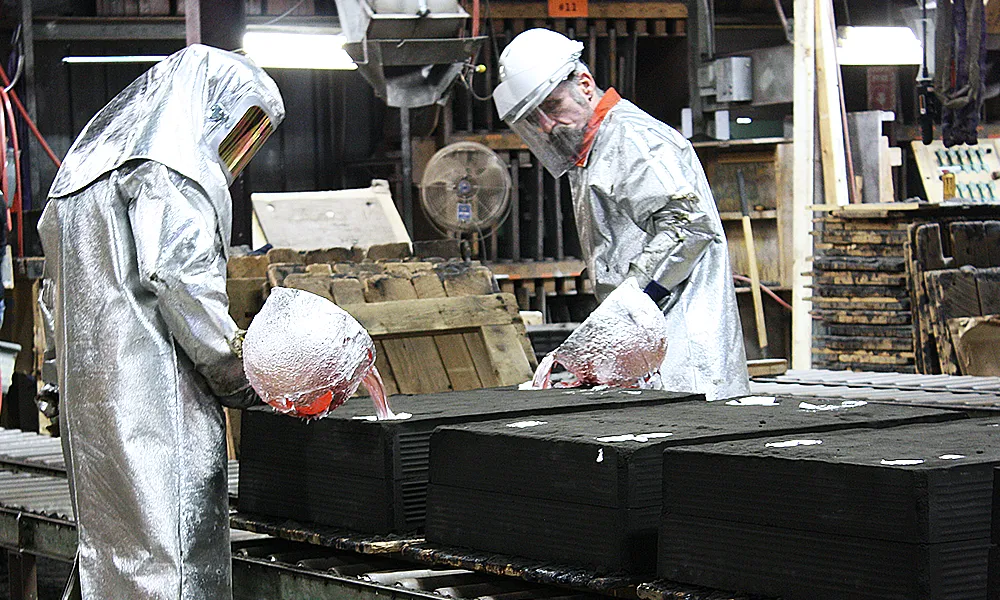
Cost-Effective Manufacturing Processes
Many light weight aluminum foundries are increasingly embracing economical production processes to improve performance while reducing expenses. These processes often integrate innovative modern technologies such as automation and accuracy casting, which enhance procedures and decrease labor costs. By making use of computer-aided layout (CAD) and computer numerical control (CNC) equipment, foundries can attain greater precision and lower material waste, bring about extra efficient manufacturing cycles.
In addition, using lean production principles enables foundries to enhance their process, eliminate traffic jams, and improve general effectiveness. This concentrate on continual renovation not just lowers production costs yet also improves item high quality.
In addition, strategic sourcing of resources can further contribute to cost financial savings, guaranteeing that foundries keep competitive rates without endangering on quality. Generally, these cost-effective manufacturing processes position light weight aluminum foundries to meet growing market demands while keeping success and sustainability in the steel spreading sector.
Eco-Friendly and Recyclable Material
Aluminum foundries are significantly recognizing the significance of environmentally friendly and recyclable products Continued in their production processes. Aluminum itself is one of one of the most recyclable metals, with the capacity to be recycled forever without losing its residential or commercial properties. This characteristic greatly decreases the environmental impact associated with steel spreading, as recycled aluminum needs just a portion of the power required to generate brand-new light weight aluminum from bauxite ore.
Utilizing recycled aluminum not only minimizes waste yet also saves natural sources and reduces greenhouse gas discharges. As markets shift towards sustainable practices, aluminum foundries are embracing a lot more eco-conscious methods, such as utilizing energy-efficient technologies and decreasing damaging emissions throughout manufacturing.
Regularly Asked Inquiries
What Sorts Of Aluminum Alloys Are Frequently Used in Shop Processes?
Frequently made use of light weight aluminum alloys in shop procedures consist of A356, A380, and A413 (Aluminum Foundry). These alloys are preferred for their exceptional castability, mechanical buildings, and rust resistance, making them suitable for numerous commercial applications and components
Just How Does Aluminum Casting Compare to Various Other Metal Casting Methods?
Aluminum casting deals advantages such as lighter weight, outstanding rust resistance, and excellent thermal conductivity contrasted to review other metal casting techniques. Furthermore, it supplies exceptional surface area coating and accuracy, making it a preferred choice for several applications.
What Industries Benefit The Majority Of From Aluminum Foundry Solutions?
Various sectors, consisting of auto, aerospace, electronic devices, and building, greatly take advantage of light weight aluminum shop services. These fields utilize light weight aluminum's lightweight, corrosion-resistant residential properties and adaptability, making certain high-performance elements and affordable manufacturing solutions for diverse applications.
How Does the Recycling Refine for Aluminum Work?
The reusing process for aluminum involves gathering scrap, shredding it, melting it down, and removing contaminations. This recycled light weight aluminum can after that be cast into new products, noticeably decreasing energy usage and environmental influence compared to main production.

What Are the Normal Lead Times for Aluminum Casting Projects?
Preparations for aluminum spreading jobs commonly range from a few weeks to numerous months, depending on elements such as task complexity, mold prep work, and manufacturing volume, which collectively influence the total timeline for conclusion.